
Key Takeaways
- Children should have their first eye exam between 6 and 12 months, followed by annual exams as they grow.
- Adults aged 19 to 64 should schedule an eye exam every year, even if they have not noticed changes in their vision.
- Adults 65 and older benefit from a yearly exam.
- Diabetes, high blood pressure, or a family history of glaucoma can call for more frequent visits.
- Pain, floaters, flashes, or sudden blurry vision should be checked sooner rather than later.
Many eye conditions develop without warning. No pain, no blur, and no obvious changes to your daily vision. A routine eye exam allows our team at Triad Eye Associates to identify these silent issues before they impact your sight.
For most healthy adults, a complete eye exam every 1 to 2 years helps maintain clear vision and provides a proactive look at your ocular health. Children and older adults should schedule an exam annually to address changing vision needs.
Why Regular Eye Exams Matter
An eye doctor can spot more than blurry vision during your exam. Certain eye diseases can develop with no symptoms, so an eye exam may be the first place a problem shows up. For example, a close look at the blood vessels inside your eye can reveal early signs of diabetes or high blood pressure.
Catching these things early gives you time to act, often before they affect your daily life.
How Often You Need an Eye Exam by Age
Your eyes change as you grow, so the focus of your annual exam shifts with each stage of life.
Children and Teens
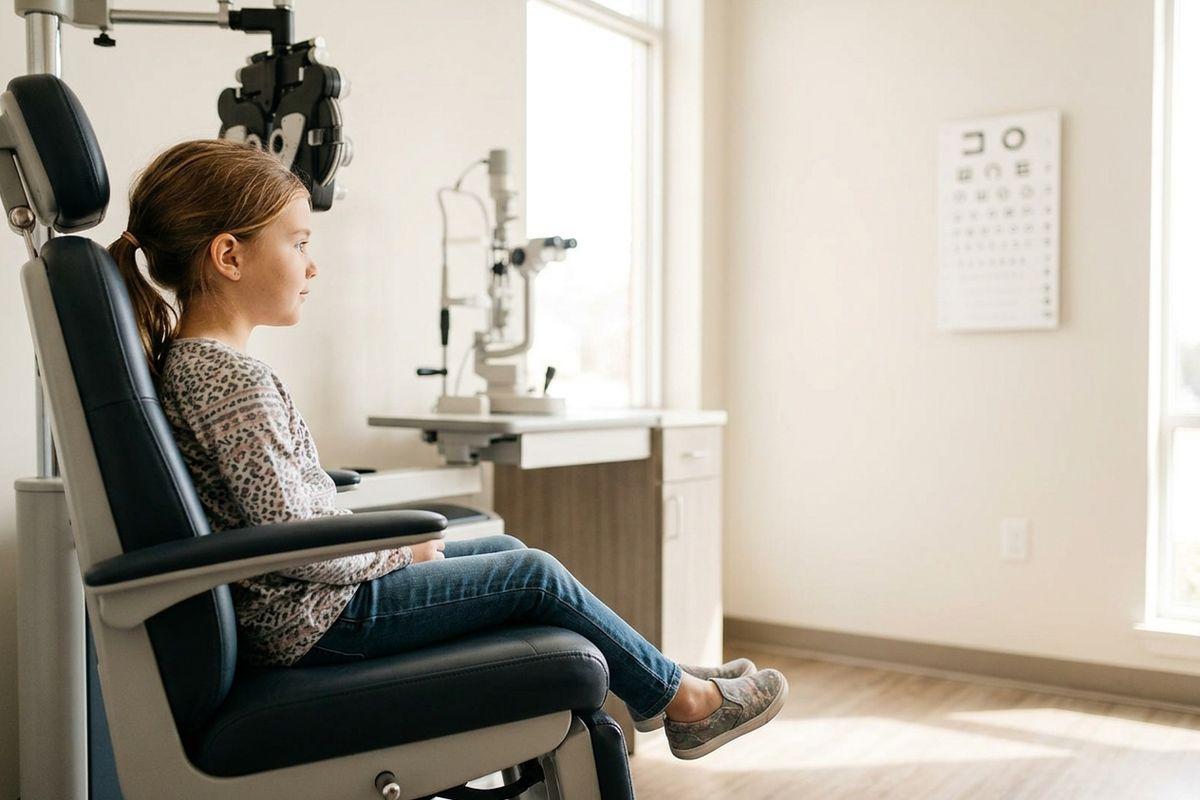
Little eyes set the stage for reading, learning, and play. A first exam between 6 and 12 months confirms both eyes are tracking together and focusing correctly, which is vital for early development. During visits between the ages of 3 and 5, optometrists evaluate how well a child’s eyes are preparing for the visual demands of a classroom. Annual exams throughout childhood and the school years can identify vision shifts that make the board look fuzzy, cause eye strain during reading, or turn homework into a source of frustration.
Adults Aged 19 to 64
Adults should schedule an eye exam every year, even when their vision feels clear and they have no known concerns. You should also contact your eye doctor sooner if you notice changes in your vision, such as frequent headaches after screen time or words blurring while reading. Routine checkups keep your prescription current and provide a comprehensive review of your eye health, helping to identify and address minor shifts before they become significant concerns.
Adults 65 and Older
An annual exam is recommended for adults aged 65 and over. This stage of life often coincides with the onset of cataracts, a natural clouding of the lens, and presbyopia, which involves a gradual shift in close-up focus. Regular appointments allow our team to monitor these developments and adjust your eyewear or contact lens prescriptions to maintain your quality of vision.
Maintaining Your Vision with Corrective Lenses
Whether you wear glasses or contact lenses, maintaining clear vision relies on an up-to-date prescription. A yearly eye exam helps keep your eyewear accurate, preventing the eye strain that often results from relying on outdated lenses.
Contact Lens Fittings
Contact lens assessments differ from standard eye exams. Because a contact lens rests directly on the ocular surface, these appointments involve measuring the specific curvature of your eye and evaluating how the lens moves and settles. This process is necessary to maintain comfort and health throughout the day.
Gradual Vision Shifts
Changes in vision often occur so slowly that they are difficult to perceive in day-to-day life. You may not realize your prescription has shifted until you put on a new pair of lenses and find that details, such as street signs or text, suddenly appear sharper and clearer. Regular appointments allow for the timely adjustment of your prescription to match your current visual needs.
Reasons You May Need More Frequent Exams
Certain lifestyle and health factors necessitate a more proactive approach to your ocular health. Your eye doctor may recommend a personalized schedule if you have specific risk factors that require closer observation.
Health Risk Factors
Certain conditions can impact your eye health, making routine, specialized monitoring vital:
- Diabetes: Requires an annual dilated exam, during which the pupil is widened to allow for a comprehensive assessment of the back of the eye.
- High blood pressure: Hypertension can affect the small, delicate blood vessels within the eyes, requiring regular review.
- Family history: A history of glaucoma, which impacts the optic nerve, warrants more frequent screenings to establish a baseline and monitor for early changes.
Symptoms Requiring Immediate Attention
If you experience any of the following, schedule an appointment promptly rather than waiting for your next routine checkup:
- Persistent eye pain, redness, or dryness.
- The sudden onset of floaters, flashes of light, or halos around lights.
- Noticeable blur or difficulty focusing on near tasks that interferes with your daily activities.
What to Expect During Your Eye Exam
Understanding the components of your visit can help you feel prepared and comfortable. A typical eye exam is a comprehensive process that evaluates both your visual clarity and your ocular health.
Visual Acuity Testing
Your visit begins with standard vision testing to measure how clearly each eye functions. This involves reading a standardized chart to establish your baseline vision and determine your current refractive needs.
Ocular Health Assessment
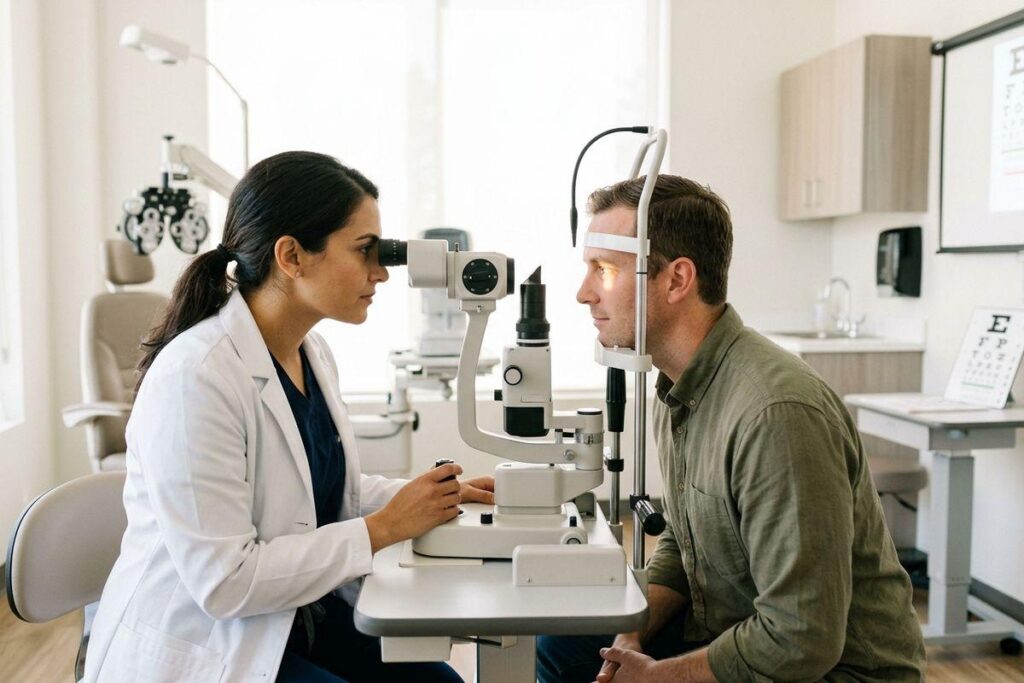
Beyond vision testing, your eye doctor performs a detailed evaluation of your eye health. Using specialized light and lenses, they examine the retina and the optic nerve, the structures responsible for transmitting images to the brain. This assessment is a vital step in identifying early indicators of ocular conditions.
A Collaborative Approach to Care
Throughout your appointment, our team is available to address your questions and provide clear, comprehensive explanations of your results. Serving our communities in Greensboro, Archdale, King, and High Point, we focus on providing attentive and transparent care from start to finish.
Prioritize Your Long-Term Ocular Health
Whether you are scheduling a child’s initial vision screening or your own routine annual exam, our team at Triad Eye Associates is available to support your needs. Book your appointment today to maintain the clarity and health of your vision for the years ahead.