


Key Takeaways
- Dry eyes happen when your eyes lack moisture or good-quality tears.
- Dry air, allergies, screen time, and eyes that stay partly open while you sleep can make mornings feel worse.
- Some health conditions and medicines can reduce tear quality.
- A humidifier, warm compress, and artificial tears can bring relief at home.
- An eye doctor in Greensboro, Archdale, King, and High Point can check your tear film and build a plan that fits you.
You roll over in the morning, open your eyes, and they feel gritty and sore. That scratchy start to the day often means your eyes lack moisture or the right kind of tears. Our team at Triad Eye Associates sees this often.
You may be waking up with dry eyes because your tear film breaks down overnight, and dry air, sleep habits, or health factors speed up the loss of moisture while you rest.
Your tear film is a thin layer of moisture that coats the front of your eye. It keeps your vision smooth and clear and washes away tiny bits of dust. When that layer thins out, mornings can feel the worst.
Common Signs to Watch For
Dry eye shows up in more ways than one. You might notice a few of these soon after waking:
- A gritty, burning, or scratchy feeling
- Redness and blurred vision that come and goes
- The sense that something is stuck in your eye
Why Your Eyes Feel Dry Each Morning
Several everyday things can pull moisture from your eyes while you sleep. Knowing the source helps you find the right options for relief.
Dry Air and Your Sleep Space
Low humidity in your bedroom dries out the air around you. That dry air slowly draws moisture from your eyes through the night.
Heaters and ceiling fans can make it worse. Both speed up how fast your tears evaporate, so you may wake up feeling parched.
Allergies and Bedtime Habits
Dust, pet dander, and leftover skin products on your pillow can irritate your eyes overnight. Scrolling on your phone right before bed adds to the strain. You blink less when you stare at a screen, and fewer blinks mean less moisture spread across your eyes.
Eyes That Stay Partly Open
Some people sleep with their eyelids slightly apart. This is called nocturnal lagophthalmos, and it simply means your eyes don’t close all the way at night.
When even a small gap stays open, tears evaporate for hours. That’s why your eyes can feel raw the moment you wake.
Health Issues and Medicines That Can Play a Role
Sometimes dryness starts inside the body. Hormone shifts, often during midlife, can change how many tears you make. Autoimmune conditions can do the same.
Tiny oil glands along your eyelids help hold tears in place. When they clog, your tears thin out and dry up faster.
Certain medicines can reduce moisture too. Blood pressure pills, antidepressants, and antihistamines for allergies often list dry eyes as a side effect.
Vitamins and Hydration That Matter
What you eat and drink shapes how your eyes feel. A couple of simple changes can support more comfort:
- Low vitamin A can affect how well your tears protect your eyes, so foods like sweet potatoes and carrots help.
- Omega-3 foods such as salmon, walnuts, and flaxseed support steady eye comfort.
Simple Ways to Find Relief at Home
You can ease morning dryness with a few small habits. Try these steps and notice how your eyes respond:
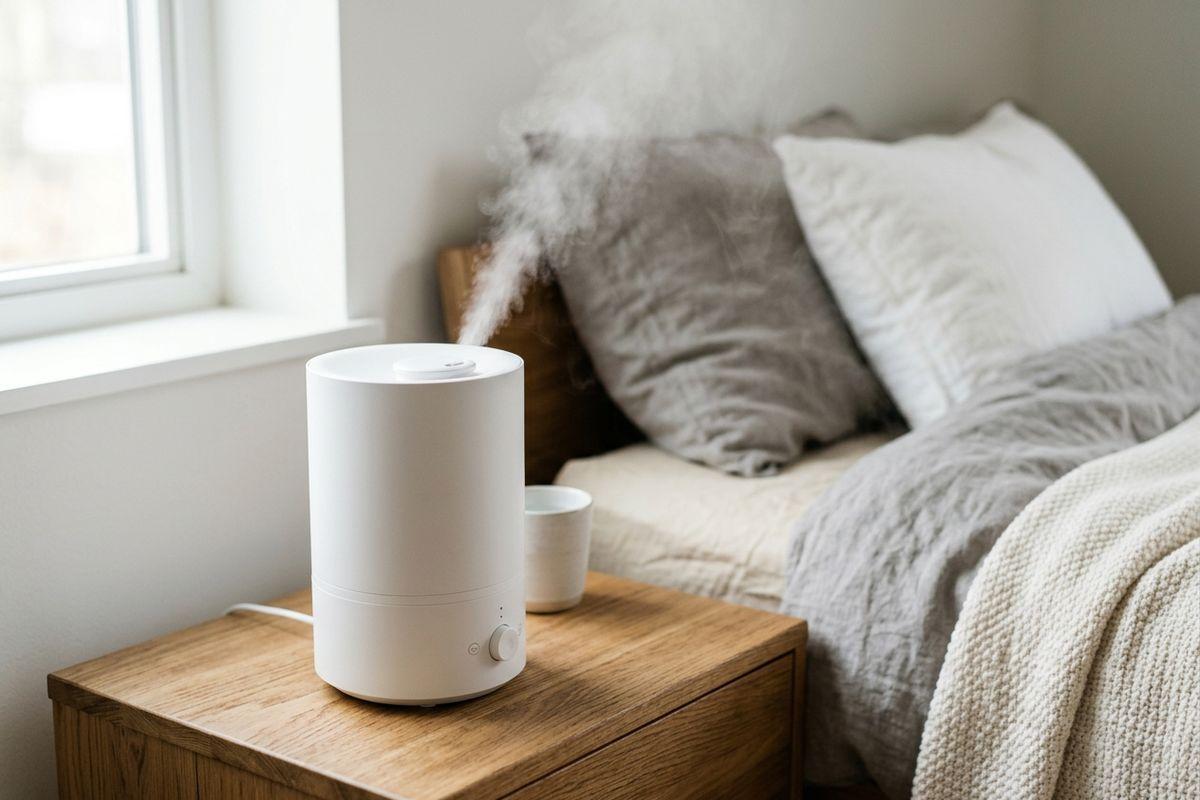
- Run a humidifier in your bedroom to add moisture back into the air.
- Apply a warm compress to closed eyes in the morning and at night to loosen clogged oil glands.
- Use artificial tears during the day and drink more water to stay hydrated.
The 20-20-20 Rule for Screens
Screens pull your attention and can slow your blinking. A quick new routine to use during screentime can help:
- Every 20 minutes, pause from your screen.
- Look at something 20 feet away for 20 seconds before you return.
When to See an Eye Doctor in Greensboro, Archdale, King, and High Point
Home care helps many people. Still, some signs call for a closer look from an eye doctor in Greensboro, Archdale, King, and High Point.
Reach out if your symptoms linger, get worse, or show up suddenly. During a visit, our team can check your tear film and oil glands to see what’s behind the dryness. Options like punctal plugs, which are tiny inserts that help keep tears on your eye, or prescription drops can support lasting comfort.
Our team reviews your daily habits, your sleep space, and any medicines you take. From there, you receive a plan made for your eyes, not a one-size-fits-all answer.
If dry mornings keep slowing you down, Triad Eye Associates can help you find real relief. Book your appointment at the location nearest you today.